
What does it mean to be future-ready? When it comes to our built environment, it means designing buildings and landscapes that not only respond to our current needs and conditions but to those of the future as well. With a growing population, shifting energy sources, and changing climate, what works today may be irrelevant—or worse, a liability—in a few decades. The Future-Ready Design Guide is a resource created to support design professionals in the Greater Golden Horseshoe to both meet the needs of today and anticipate those of the future, as we work together to build a more durable, resilient, and sustainable built environment.
Guide for Multi-Unit Residential Buildings
The Future-Ready Design Guide (FRDG) for Multi-Unit Residential Buildings (MURBs) is a new, free resource developed by the Toronto Society of Architects (TSA) and funded by The Atmospheric Fund (TAF) that provides designers with holistic, actionable insights for early-stage housing design (when design decisions are most impactful). Bringing together the insight of over 240 resources and tailored to multi-unit residential buildings between 4 and 18 storeys, it is the first guide of its kind that focuses specifically on the Greater Golden Horseshoe region and its unique challenges and opportunities.
Designed for practitioners, the guide is a helpful, easy-to-use reference for many major topics in multi-unit housing design, from contextual information like demographic changes, energy sources, and our changing climate and environment, to design strategies in areas like sustainability, affordability, liveability, and more.
Download Guide
Lectures
Let us walk you through this new resource! Our lead researchers will be hosting 3 webinars covering key concepts, strategies, and contextual information contained in the FRDG. All lectures are free to attend and recordings will be made available on our website shortly after each live session.
These webinars meets the OAA criteria for mandatory structured learning hours focused on Climate Action as part of the 2024-2026 Continuing Education cycle. Certificates will be issued to all attendees.
Recording Now Available
The Context of Housing in the Greater Golden Horseshoe
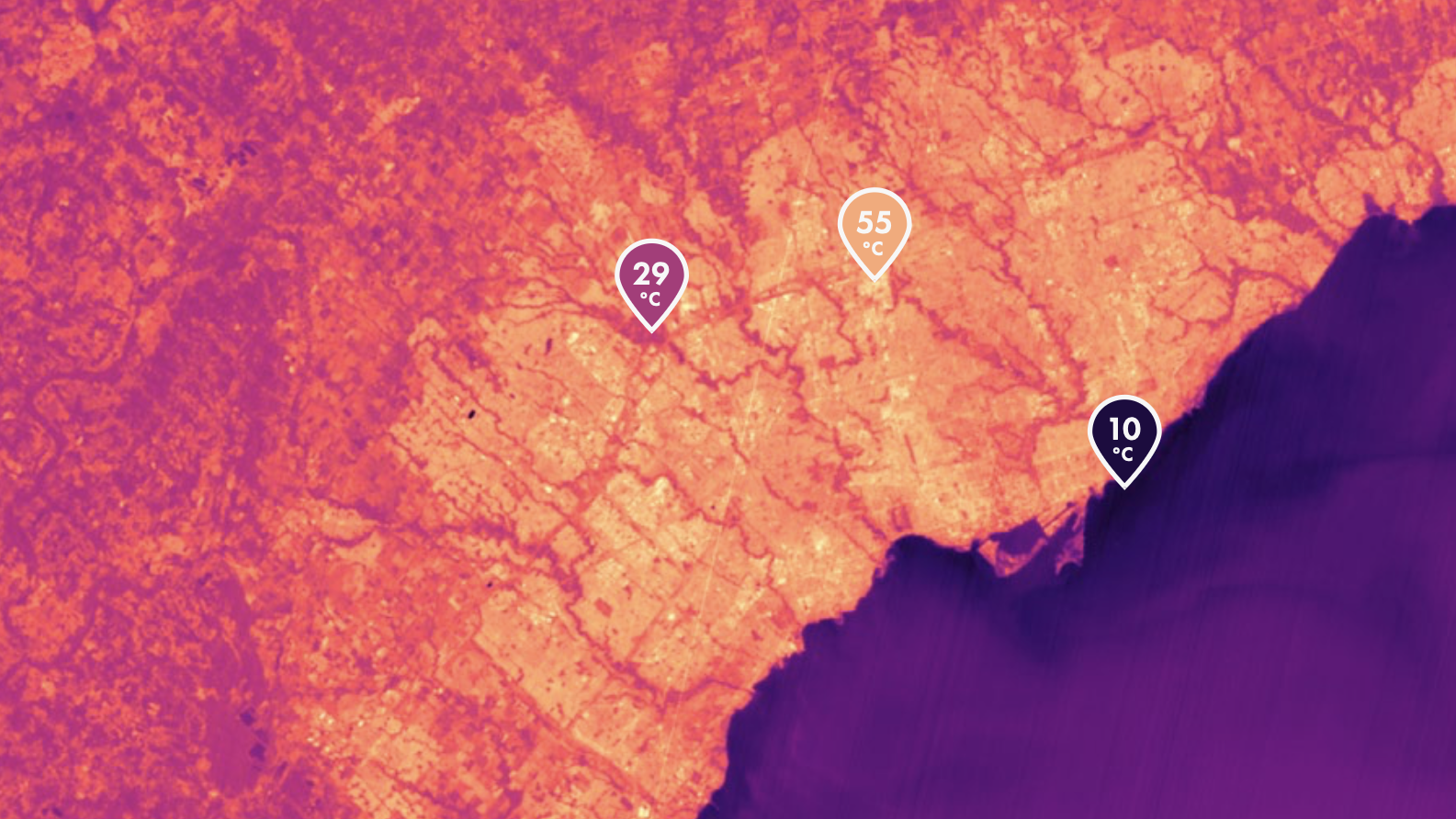
The housing we design today must meet the demands of tomorrow. This webinar reviewed the current and future context behind housing design for the Greater Golden Horseshoe including demographics, energy and water infrastructure, climate, and more.
Recording Now Available
Key Considerations for Designing Housing that Lasts
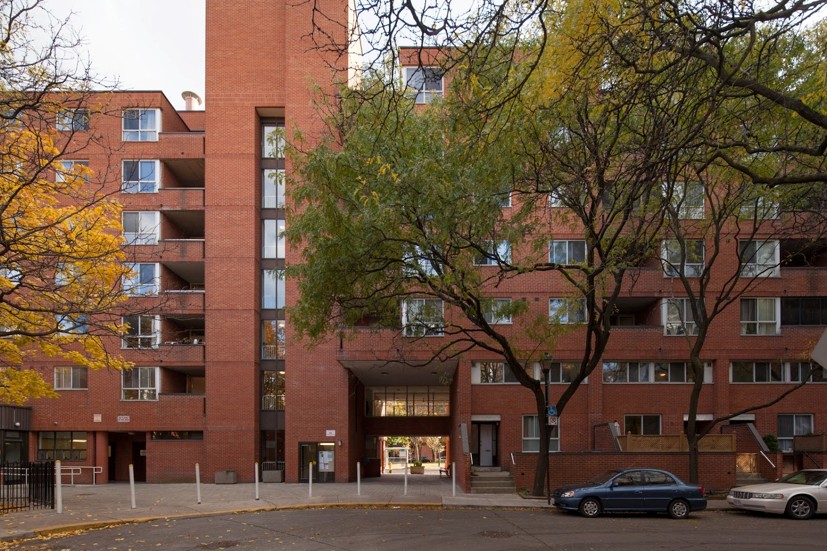
Designing housing that lasts starts with making the right decision at the earliest stages of the design process. This webinar will review key considerations and principles for assessing the suitability of typologies, materials and methods.
April 21, 2026
Design Strategies for Future-Ready MURBs
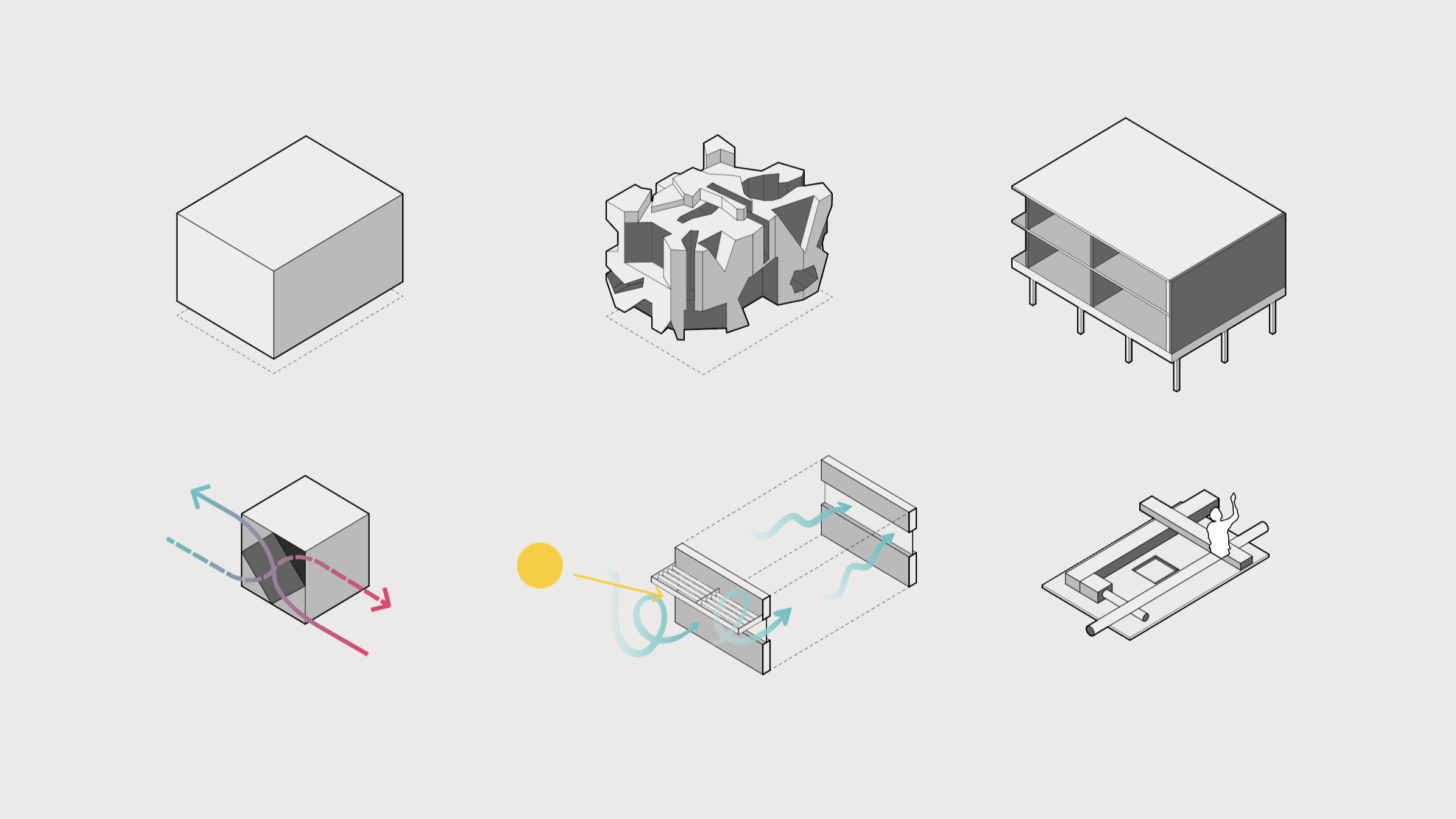
What are the practical strategies architects can use to design durable and resilient MURBs? This webinar will examine a wide variety of early-design strategies in 6 key areas—from morphology to stewardship, all the way to material selection and liveability—to achieve this goal.
Additional Resources
Behind the Future-Ready Design Guide are 248 unique publications, reports, and information resources made by members of the architecture, engineering, planning, and building science communities, both professional and academic, that have provided the knowledge, best practices, and research that shaped our guide. Links to these resources are provided throughout the document, and all can be accessed through the link below.
Is a resource out of date or missing? Found a broken link? Let us know by emailing tsa@torontosocietyofarchitects.ca with all the relevant information and we’ll be in touch.
Resources
Acknowledgements
The TSA would like to thank all those who have made this new resource possible, including lead researchers and authors Kurtis Chen and Ted Kesik, and the members of the publication development team Joël León Danis, Vince Tameta, Mahima Patel, and Rebecca Pike.
Thank you as well to the peer reviewers of this guide for their helpful guidance, to The Atmospheric Fund for their generous financial support, and to the countless organizations and individuals whose numerous publications, reports, and informational resources form the backbone of this guide. This resource would not have been possible without the diverse body of authoritative knowledge afforded to the project team by our architecture community and the allied disciplines, both professional and academic, who support the sustainable development of our built environment.
Supported by